Journal /
Local Search for Independent Shops in Bury St Edmunds and Woodbridge
How independent shops, cafes and galleries in Suffolk market towns can be found by visitors and locals searching on their phones, with practical steps you can do this week.
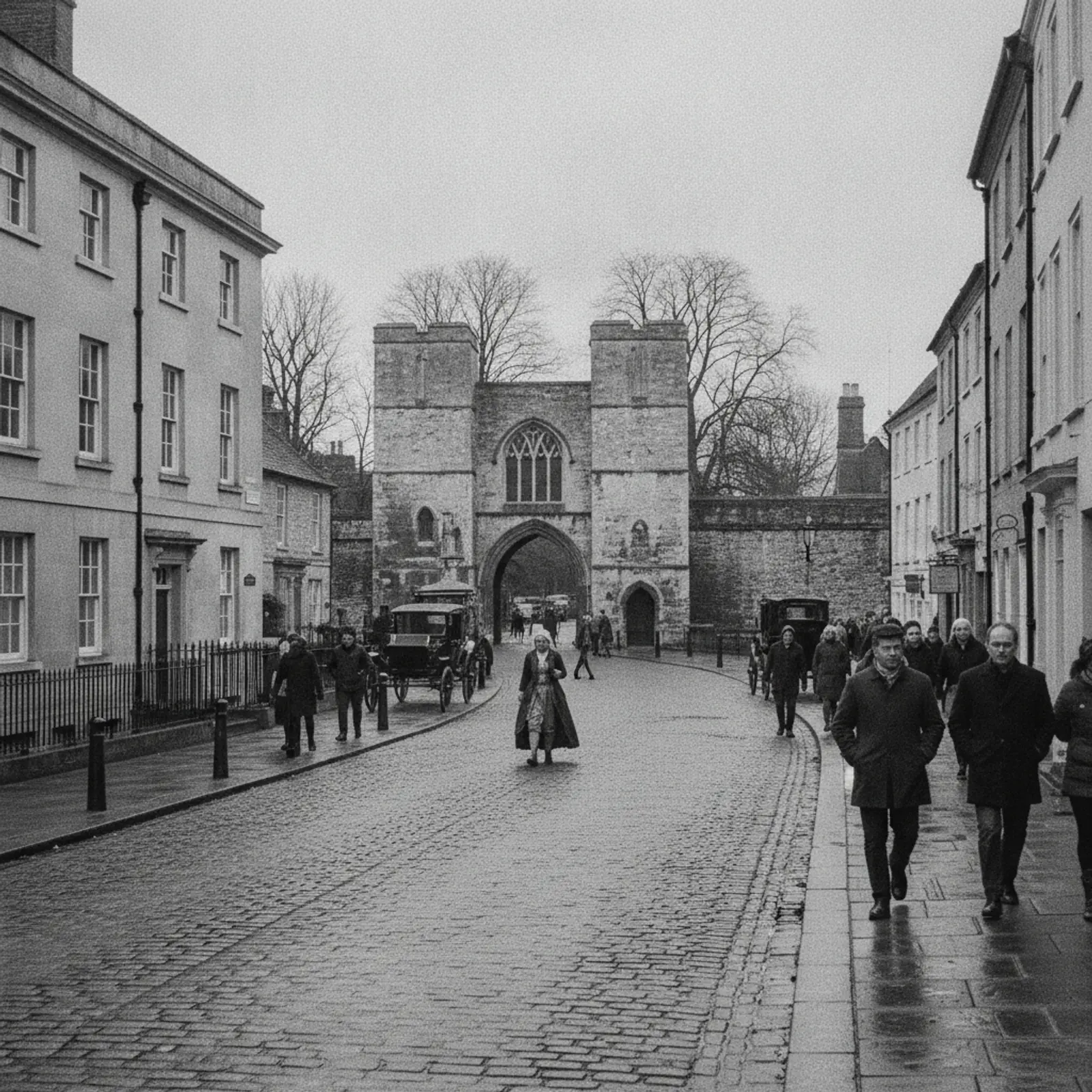
Suffolk's market towns have something many places have lost: high streets full of independent businesses. Bury St Edmunds has its Georgian grid of streets around the Abbey Gardens. Woodbridge has the Thoroughfare and the riverside by the Tide Mill. Sudbury, Framlingham, Southwold and Lavenham all have their own mix of shops, cafes and galleries that draw both locals and visitors.
For these businesses, a large share of new customers now starts with a quick search on a phone: "coffee near me", "bookshop Woodbridge", "gift shop Bury St Edmunds open Sunday". Being found in those moments does not require a big budget. It requires a few basics done well and kept up to date.
Understand how visitors search
Visitors and locals search differently.
Visitors are often in the town already or planning a day trip. Their searches are short, mobile and immediate: "lunch near Abbey Gardens", "parking Woodbridge", "things to do Bury St Edmunds". They mostly look at the map results and tap through to whatever looks open and relevant.
Locals know the town and tend to search for specific products or services: "picture framing Bury", "children's shoes Woodbridge", "birthday cake order Sudbury". They are more likely to visit your website to check stock, prices or how to order.
Your online presence needs to serve both.
Your Google Business Profile comes first
For most independent shops, the Google Business Profile matters more than the website itself for being found. It controls how you appear in map results. Make sure:
- The business category is accurate and specific. "Bookshop" rather than just "Store".
- Opening hours are correct, including bank holidays and seasonal changes.
- You have recent, real photos of the shopfront, interior and products.
- The description says clearly what you sell and what makes you worth a visit.
- You respond to reviews, politely and promptly.
- You post occasional updates about new stock, events or seasonal changes.
Wrong opening hours are one of the fastest ways to lose a customer for good. If someone walks across town to find you closed when Google said you were open, they are unlikely to come back.
The website's job
Your website supports the profile and answers the questions people have before visiting or buying. For an independent shop, the most important content is usually:
- What you sell, with photos, in enough detail to tempt someone to visit.
- Opening hours, matching the Google profile exactly.
- Where you are, with a map, nearby parking and accessibility information.
- How to buy, whether in person, by phone, click and collect or online.
- Events, if you run them: tastings, signings, workshops, late openings.
Keep it fast and simple. A shop website does not need dozens of pages, but it does need to be accurate.
Should you sell online?
Not every independent shop needs an online store. Running one well takes time: photographing products, keeping stock levels accurate, packing and posting. For some, a simpler option works better:
- A selection of featured products with "call or message to reserve".
- Click and collect for popular items.
- Gift vouchers sold online, which are simple to set up and popular with visitors who want to buy a present for someone else.
If you have unique products that people outside the town want, such as local food and drink, crafts or specialist goods, a proper online shop can be worth it. Start with a small range and grow it.
Get listed where visitors look
Beyond Google, visitors use a handful of other sources to plan trips. Make sure you are listed accurately on:
- The local tourism and town websites, which often have shopping and food guides.
- Apple Maps, which many iPhone users rely on by default.
- Bing Places, which also feeds some other services.
- Any town or business association directory.
Keep the name, address and contact details the same everywhere.
Content that works for market towns
A few well-chosen pages can help both visitors and search engines:
- A guide to your street or area, mentioning nearby landmarks and other independents. It helps visitors plan, and it connects your shop to searches about the area.
- Seasonal pages for Christmas shopping, summer events or local festivals.
- Pages about what you specialise in, such as particular makers, product types or services like repairs or alterations.
Write these for people, not search engines. A genuinely helpful guide is more likely to be shared and linked to.
Keep it up to date
The biggest problem we see with independent shop websites is not poor design. It is neglect. Old events, last year's opening hours, products no longer stocked. Set a monthly reminder to check your Google profile and website together, update anything that has changed, and add a couple of fresh photos.
Opening hours: a small detail with a big effect
Of all the information a shop publishes, opening hours cause the most lost visits. A visitor checks Google, drives in from Newmarket or Ipswich, finds the shop closed and does not come back. The fix is simple but needs discipline:
| Where hours appear | What to do |
|---|---|
| Google Business Profile | Set regular hours and add special hours for every bank holiday and closure |
| Website | Show hours as text near the top of the page, from the same source each time |
| Social profiles | Update them when Google changes, or remove hours from them altogether |
| Shop door and window | Keep them in step with the online versions |
Set a reminder at the start of each month to check all four. It takes ten minutes.
Photographs that bring people in
The second most effective improvement is photography. Shoppers want to see what the shop looks like inside, what you stock and roughly what it costs. Phone photos are fine if they are well lit and show the real thing. Add new ones to your Google Business Profile regularly, and use the best on the website. If you sell online, product photography needs more care; our e-commerce page explains what we plan before a shoot.
For more on the towns themselves, see our pages for Bury St Edmunds and Woodbridge.
A short checklist for this week
- Check your Google Business Profile hours, category and photos.
- Make sure the website shows the same hours and address.
- Test your website on a phone: can someone find your hours and location within a few seconds?
- Add three new photos of the shop and products to both.
- Reply to any reviews you have not answered.
These small, regular steps tend to do more for an independent shop's visibility than any single big project.
The takeaway
For a market town shop, the website and the Google Business Profile are one job, not two. Keep hours identical everywhere, add real photographs regularly, answer the questions visitors ask before they travel, and make sure the profile links to the page that matches what people search for. None of it needs a big budget. It needs ten minutes at the start of every month and someone who owns the task.