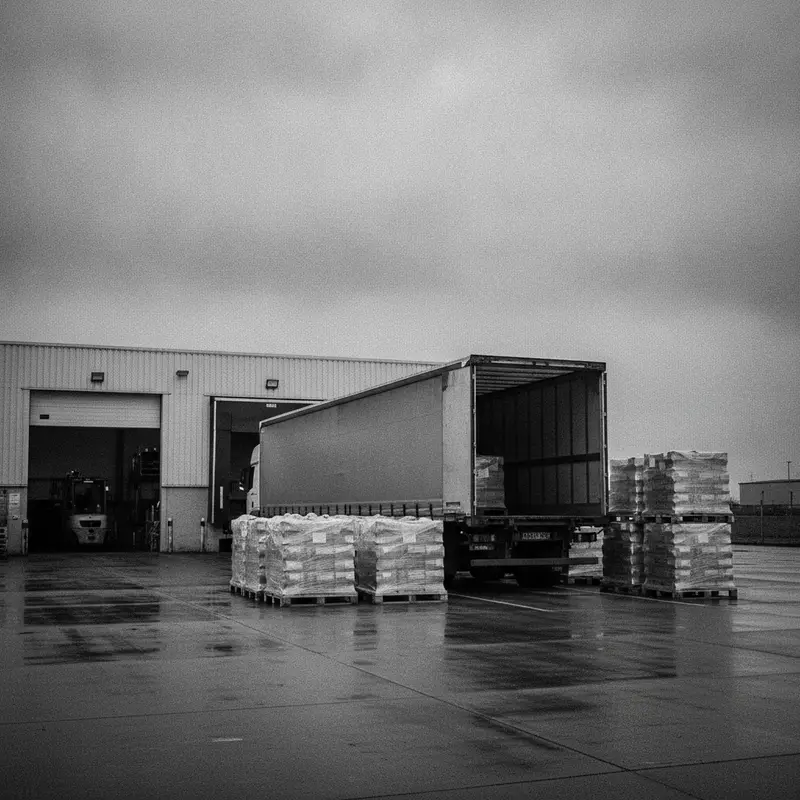
CS/01A freight forwarder near the Port of Felixstowe
The problem. A one-page site with a generic contact form. Quote requests arrived without container type, origin or cargo details, so every enquiry needed a phone call before it could be priced. The careers section was a single line asking for CVs, while the business was struggling to recruit.
What was done. Separate pages for full container, groupage, customs clearance and warehousing, each explaining what is handled and how. A structured quote form that changes with the mode chosen, asks for the details the operations team needs and accepts packing lists. A careers page explaining roles, shift patterns and how to apply.
What changed. Enquiries arrive ready to price, the team spends less time chasing basic details, and the site is something staff can send to new customers and applicants with confidence.
CS/02A precision engineering firm on the A14 corridor
The problem. An old brochure site listing machines and little else. Technical buyers could not tell what tolerances, materials or batch sizes the firm handled, and the site did not mention two sectors the business had moved into.
What was done. An hour with the person who handles enquiries produced the content for capability pages by process and material. Sector pages explain the problems solved for each industry. Shop-floor photography replaced stock images, and the enquiry form now accepts drawings, quantities and deadlines.
What changed. Buyers arrive knowing the work is a fit, and the recruitment section answers applicants' questions before they call.
CS/03A design studio on the Ipswich waterfront
The problem. A heavy portfolio site full of autoplay video that took a long time to load on a phone and was not found for any useful search.
What was done. A rebuild with project pages organised by type of client and problem, compressed media that loads on demand, and a short written case note on each project explaining the brief and the thinking.
What changed. A much faster site, project pages that can be found and shared individually, and a portfolio that explains the work instead of just showing it.
CS/04A family-run restaurant in Bury St Edmunds
The problem. Menus as PDF downloads, opening times that disagreed with the Google listing, and a booking link buried at the bottom of the page.
What was done. Menus as fast web pages with dietary information, one source of truth for opening hours, booking in the header on every page, and an events page the owners update themselves.
What changed. Fewer phone calls asking basic questions, more bookings made directly online, and a site that is easy to keep accurate through the seasons.
CS/05A specialist textile maker in the Stour Valley
The problem. An international customer base and a website that said very little about the craft, in language overseas designers did not search for.
What was done. Pages built around fabric types and applications, a clear explanation of sampling and commissioning, close-up photography of the weave and finishing, and an email-first contact route suited to buyers in other time zones.
What changed. A site that reflects the quality of the product and gives overseas buyers what they need to start a conversation.
CS/06An accountancy practice serving Woodbridge and Ipswich
The problem. A template site with generic copy shared by many other firms, and no page explaining the practice's specialism in farming and rural businesses.
What was done. Original copy written from interviews with the partners, specialism pages for agricultural and estate clients, and accessible forms for new client enquiries.
What changed. A site that sounds like the firm and attracts the clients it most wants to work with.